Blog
Bando Lombardia: come finanziare al 50% il tuo Digital Product Passport
Dal fisico al digitale. Approfondimenti su Digital Product Passport, conformità normativa e innovazione a cura di AnchorPass.
Leggi di più
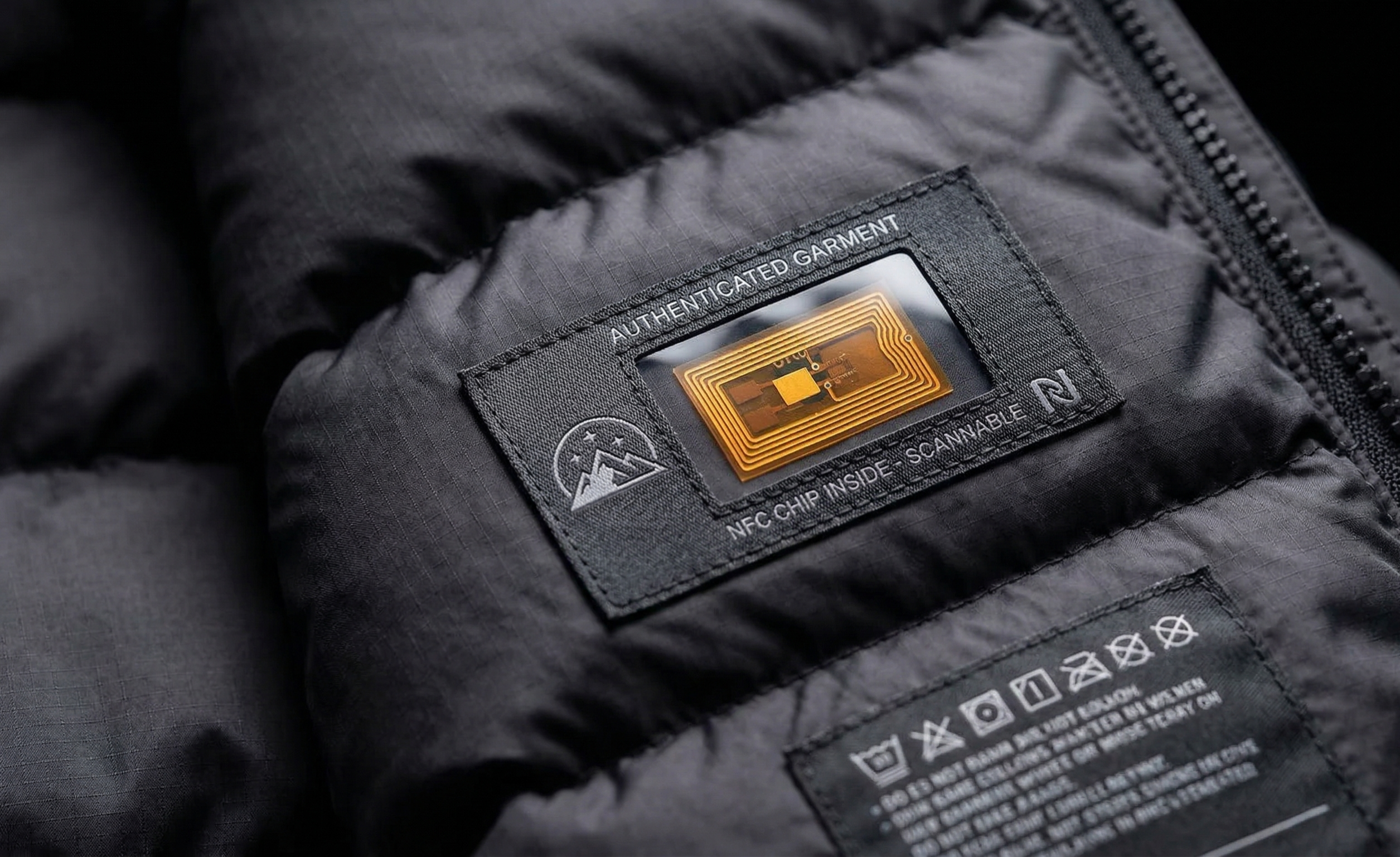
The era of "buy it and forget it" is officially over. As we move through 2026, the European Union's Digital Product Passport (DPP) mandate is no longer a distant threat, it's our new reality. Every product you buy is becoming a "connected object," carrying its own digital birth certificate.
But how do you actually engage with your sweater or a bottle of wine? From the stickers we know to the sci-fi tech that sounds like it's from a Marvel movie, here is your guide to the tech making our world traceable.
The clock isn't just ticking, it's already struck for some. As of 2026, construction products are officially required to have digital environmental declarations in place. If you are in the battery sector, the countdown is as tight, with a full mandatory deadline hitting on February 18, 2027. By late 2027 and throughout 2028, this wave of "radical transparency" becomes law for textiles, footwear, iron, steel, and even toys.
The good news? You've come to the right place. By reading this blog, you're already getting ahead of the curve. AnchorPass helps you transition, offering the best solutions on the market specifically tailored to your sector's unique needs and compliance deadlines.
You've seen these. You've scanned these. They are the core of the DPP world because they are cheap, reliable, and work with the phone already in your pocket.
This is where things get interesting. These technologies are designed to be "consumer-facing", meaning they prioritize your experience, aesthetics, and ease of use.
Imagine a cereal box or a luxury perfume bottle that looks completely normal, but your phone can "see" a hidden pattern across the entire surface. Why it's cool? No ugly black-and-white squares ruining the design. And the biggest Benefit is that you can scan any part of the package to get the product's carbon footprint or recycling instructions.
We used to have "chips." Now, companies like Pragmatic Semiconductor and Next-Gen Silicon are printing electronics directly onto thin, flexible film.
Your clothes are getting a brain upgrade. Using conductive yarns (like those from Admitas or DITF), sensors are being woven directly into the fabric and invisible to the touch.
Instead of a sticker that peels off, why not carve the data into the product? Using high-precision lasers (like MECO or Heatsign), manufacturers can "etch" microscopic codes directly onto metal, glass, or even high-end plastic.
While tap-to-pay and QR codes are great for everyday life, some products require a level of security that feels straight out of a laboratory.
Imagine if your favorite cotton sweater had its own biological "ID card" hidden inside its fibers. DNA Tagging does exactly that by using molecular-level "barcodes" made of synthetic DNA or biological strands. Instead of a sticker that can fall off, these tags are mixed directly into raw materials. This creates a forensic-grade signature so powerful that you could spray it on a massive pile of raw cotton and later track a finished garment back to the exact farm it originated from.
In the world of high-stakes electronics, there is a technology called Physical Unclonable Functions (PUFs). This tech is fascinating because it relies on pure, microscopic chaos. When microchips are manufactured, tiny, random imperfections occur. These imperfections are so small they are invisible to the naked eye. By treating these "glitches" like a human fingerprint, companies can create a digital identity that is literally impossible to duplicate. Even the original manufacturer couldn't make a second identical copy if they tried.
For liquids and chemicals, sometimes you need to know what's inside a container without ever opening it. Acoustic Tagging uses microscopic "cavities" that are designed to vibrate at very specific frequencies when hit by ultrasound. It's essentially like sonar for your products.
A scanner can "listen" to the bottle and immediately verify its contents and authenticity, making it the perfect solution for identifying high-end spirits or hazardous chemicals while keeping the seal intact.
Industrial environments are often messy, but Magnetic Ink doesn't mind the dirt. These specialized inks contain magnetic particles that create a unique "signal" that can be read by a scanner even in the toughest conditions.
Whether a part is covered in thick grease, heavy dust, or has been hidden under a fresh coat of paint, the magnetic signal remains readable. This allows for high-speed verification in factories and warehouses where traditional visual codes would simply fail.
By 2027, almost every textile sold in the EU will need a basic Digital Product Passport. Whether it's a simple QR code or a microscopic DNA strand, this tech is here to ensure that the things we buy are sustainable, authentic, and recyclable.
We are moving from a world of "blind consumption" to a world of "radical transparency." The next time you buy a pair of sneakers, remember: there's a whole world of invisible tech working to tell you their story.
Dal fisico al digitale. Approfondimenti su Digital Product Passport, conformità normativa e innovazione a cura di AnchorPass.
Sevengrams adotta AnchorPass per il Passaporto Digitale del suo caffè: blockchain per tracciabilità, trasparenza e conformità normativa, accessibile ai consumatori tramite QR code sulle confezioni.
Siamo parte di

AnchorPass è la soluzione dedicata al Digital Product Passport di Mangrovia, leader nella trasformazione digitale enterprise. Visita il nostro sito!
Newsletter
Rimani aggiornato

Seguici

